Commercial Pressure Cleaning Safety for Prospect Worksites
Commercial pressure cleaning helps keep Prospect workplaces presentable, accessible and easier to maintain. However, removing dirt from a loading dock, washing a shopfront or cleaning a warehouse entrance involves more than choosing a powerful machine. High-pressure water, cleaning chemicals, moving vehicles and slippery surfaces can create serious risks when the work is not properly planned.
Safe Commercial Pressure Cleaning starts with site assessment, controlled access and the least aggressive effective cleaning method. For property managers, business owners and contractors in Prospect, understanding these fundamentals makes it easier to organise cleaning without unnecessarily exposing workers, customers or neighbouring properties to harm.
Assess the Worksite Before Cleaning Starts
Every commercial property has a different combination of surfaces, access requirements and operating conditions. A quiet office courtyard presents different hazards from a busy service station, food premises or industrial loading area. Before work begins, the cleaning contractor and site representative should inspect the proposed cleaning area together.
The assessment should identify pedestrian routes, vehicle movements, electrical equipment, drainage points and sensitive building materials. It should also establish where equipment will sit, how hoses will be routed and whether people can safely enter and leave the premises while cleaning takes place.

For Australian workplaces, applicable work health and safety requirements depend on the jurisdiction and the work involved. A Prospect site should follow the relevant state or territory regulator’s guidance, along with any council, water authority and environmental requirements. In 2026, checking current requirements remains important rather than relying on an old procedure or a previous contractor’s approach.
Agree on Responsibilities and Documentation
The business controlling the premises and the cleaning contractor should consult and coordinate their activities. Hiring a contractor does not automatically remove the site operator’s safety responsibilities. Both parties need to understand who controls access, who can isolate equipment and who has authority to stop the job.
A documented risk assessment and clear work procedure are useful for commercial cleaning. A safe work method statement is required when the activity falls within applicable high-risk construction work requirements; it is not automatically required for every pressure-cleaning task. Where one is required, a generic document should be adapted to the actual site conditions.
Choose the Cleaning Method to Suit the Surface
More pressure does not necessarily produce a better or safer result. Excessive pressure can damage mortar joints, strip coatings, splinter timber and force water behind cladding. It can also turn loose grit, paint flakes and other debris into projectiles.
A competent operator considers pressure, flow rate, nozzle selection, working distance, water temperature and cleaning chemistry together. Testing a small, inconspicuous area helps establish whether the chosen method removes contamination without damaging the substrate.
Match Equipment to the Task
For concrete Driveway Cleaning and commercial hardstand cleaning, a suitable surface-cleaning attachment can improve consistency and reduce direct overspray. However, it does not eliminate the need for exclusion zones, drainage controls or careful operation near damaged concrete and expansion joints.
Techniques used for House Washing can also be relevant to commercial façades with similar materials. Painted render, weatherboards, seals and older masonry may need a lower-pressure approach. Soft washing still requires chemical controls, surface checks and protection of nearby people and vegetation.
Deck Cleaning requires particular care around timber condition, coatings and fixings. Excessive pressure can gouge boards and leave raised fibres. Composite decking should be cleaned according to the manufacturer’s instructions rather than assuming it tolerates the same treatment as concrete.
Control Access, Traffic and Slip Hazards
Pressure cleaning can affect people well beyond the operator’s immediate position. Spray can travel through fencing or across a boundary, while wash water can spread into entrances, ramps and pedestrian routes. On Prospect commercial sites with public access, separating cleaning activity from normal operations is a priority.
Warning signs support physical controls; they do not replace them. Where customers or workers could enter the spray zone, use suitable barriers and arrange a clearly marked alternative route. If vehicles operate nearby, coordinate the cleaning with the site’s traffic management arrangements.
- Schedule work outside busy periods where practical, without compromising lighting or supervision.
- Keep emergency exits, fire equipment and accessible entry routes available throughout the job.
- Position hoses away from walkways or use suitable hose protection where crossings cannot be avoided.
- Extend the controlled area to account for overspray, debris and changing wind conditions.
- Inspect wet surfaces before reopening them, particularly smooth tiles, painted concrete and ramps.
- Provide a clear contact person for deliveries, tenants and staff who need access during cleaning.
Some surfaces remain slippery after visible water disappears, especially when oil, algae or detergent residue remains. Reopening decisions should be based on actual surface condition rather than a fixed waiting period.
Prevent High-Pressure Injection and Equipment Injuries
A pressure-cleaner jet can penetrate skin and inject water, chemicals or contamination into deeper tissue. The external wound may look minor even when the injury is serious. Operators must never direct a jet towards themselves or another person, or use it to clean footwear or clothing while worn.
A suspected high-pressure injection injury needs immediate emergency medical assessment. Do not wait for increasing pain or swelling. Tell emergency responders that the injury involves high-pressure equipment and identify any chemical used.
Before use, inspect hoses, couplings, trigger assemblies and protective guards. Damaged or leaking equipment should be removed from service. Never check a suspected pressurised leak with a hand, bypass a trigger safety device or disconnect a hose before the system has been safely depressurised.
Use Suitable Personal Protective Equipment
Protective equipment should reflect the task and equipment manufacturer’s instructions. This commonly includes suitable eye protection, face protection where splash or flying debris presents a risk, hearing protection, slip-resistant safety footwear and appropriate gloves and clothing.
Ordinary waterproof clothing is not necessarily protective against a high-pressure jet. Higher-risk equipment may require specialised protection and operating controls. Respiratory protection, where needed for an identified exposure, must be selected appropriately and used with any required fit testing. Personal protective equipment remains the final layer of protection, not a substitute for safer methods.
Manage Chemicals and Protect Drainage
Degreasers, detergents and other cleaning products can cause burns, breathing irritation or environmental harm if used incorrectly. Contractors should have current safety data sheets available and follow product directions for dilution, application, contact time and disposal.
Never mix cleaning products unless the manufacturer explicitly permits it. In particular, chlorine-based products can release dangerous gases when combined with acids or ammonia. Chemical containers should remain labelled and secured against spills or unauthorised access.
Before cleaning, identify stormwater drains and determine how contaminated water will be contained and recovered. A stormwater pit is not a general disposal point for detergent, oil, sediment or paint residue. Describing a product as biodegradable does not make its discharge automatically acceptable.
Depending on the site, controls may include drain covers, temporary bunding, wet-vacuum recovery and collection for appropriate disposal. Discharging to sewer may require permission or compliance with trade-waste conditions. Confirm the disposal route before starting, especially at workshops, loading areas and food-related premises.
Keep Water Away from Electrical Hazards
Outdoor power points, switchboards, damaged cables, lighting and building penetrations require careful inspection and protection. A weather-resistant enclosure should not be assumed to withstand a concentrated high-pressure jet.
Electrical equipment must be suitable for the conditions, with residual current device protection where required. Keep plugs and connections away from pooling water, and arrange isolation by an authorised person https://dominickltxn192.slatecurrent.com/posts/best-deck-cleaning-methods-for-composite-and-timber when necessary. Petrol-powered pressure cleaners also create carbon monoxide risks and should not operate indoors or in enclosed or poorly ventilated areas.

Take Extra Care with Solar Panel Cleaning
Solar Panel Cleaning introduces both electrical and fall hazards. Panels can generate electricity in daylight, and switching off an inverter does not necessarily make all rooftop components electrically safe. Damaged panels, loose cables or exposed connectors require assessment by an appropriately qualified person.
Follow the system manufacturer’s cleaning instructions. Avoid high-pressure jets on modules, seals and electrical connections unless expressly permitted. Safe access, suitable equipment and avoiding thermal shock to hot panels are more important than cleaning quickly.
Plan Roof and Gutter Work Separately
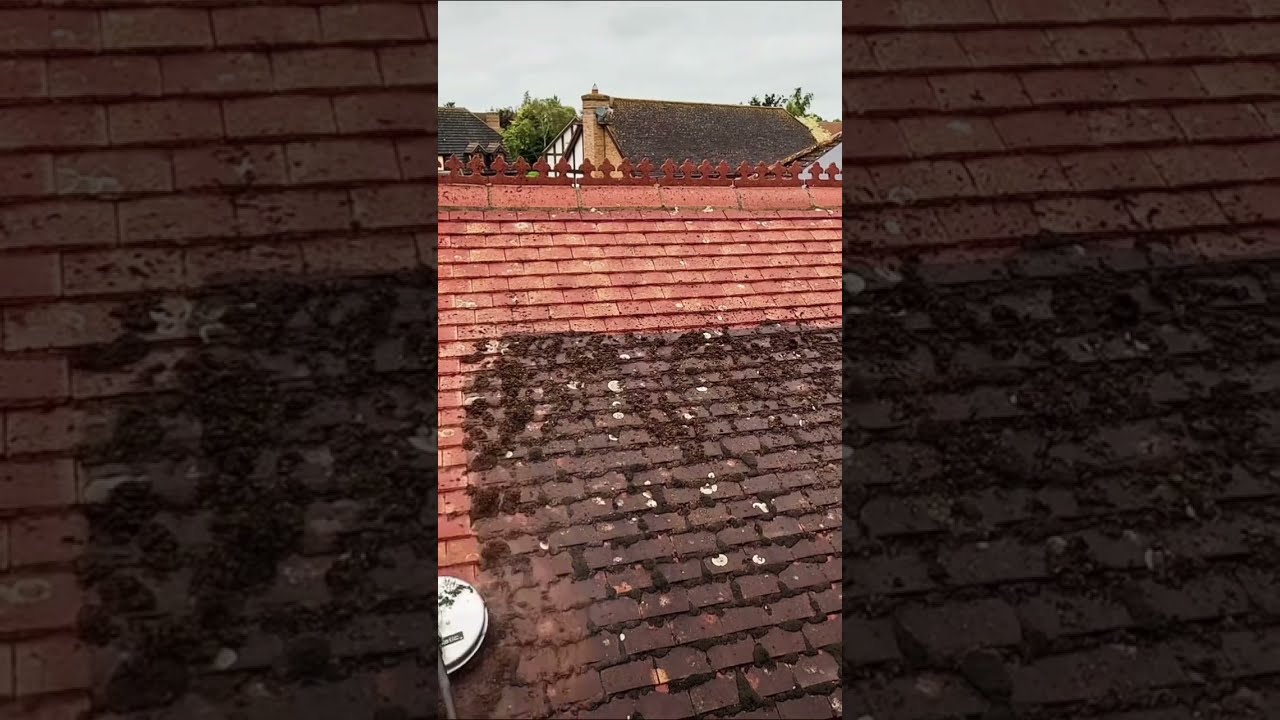
Roof Cleaning and Gutter Cleaning should not be treated as simple extensions of ground-level washing. Roof pitch, fragile materials, skylights, wet surfaces and access arrangements can substantially increase the risk.
Use ground-based methods where they can safely achieve the required result. Where roof access is necessary, select suitable access equipment and fall-prevention controls based on the task and applicable requirements. A ladder is not automatically a safe working platform for handling a pressure-cleaner lance and hose.
Roof material identification is essential. High-pressure water cleaning must not be used on asbestos-containing material. If an older roof or façade may contain asbestos, stop and arrange competent assessment before disturbing it. Other hazardous coatings, including lead-containing paint, may also require specialist controls.
Gutter work should include a plan for removing captured debris without blocking downpipes or spreading contaminated material across the property. Any damaged roofing, loose flashing or deteriorated supports should be reported rather than concealed by the cleaning process.
Adjust the Plan for Weather and Site Conditions
Prospect worksites need cleaning plans that respond to conditions on the day. Wind can carry mist towards pedestrians, neighbouring premises, parked vehicles and air intakes. Rain can overwhelm water-containment measures, while heat increases worker fatigue and can change how quickly chemicals dry on surfaces.
Set practical stop-work criteria before starting. These should address uncontrolled overspray, electrical exposure, unsafe roof conditions, loss of pedestrian separation and failed wastewater containment. Workers should be able to pause the job when conditions change without pressure to continue.
Check Contractor Capability and Complete a Safe Handover
When engaging a Commercial Pressure Cleaning provider in Prospect, assess more than price and equipment size. Ask how the contractor manages public access, runoff, surface damage and emergencies. Relevant training, suitable insurance and experience with comparable properties help demonstrate capability, although none replaces a site-specific plan.
- Before work: Confirm the scope, surface condition, access controls, drainage plan and site contact.
- During work: Monitor barriers, equipment, weather and water movement, and stop if controls fail.
- After work: Remove residues, inspect for damage, recover equipment and confirm the area is safe to reopen.
- At handover: Report defects, remaining hazards and any areas that need further drying or treatment.
A final inspection should include neighbouring surfaces and drainage points, not just the cleaned area. Check that hoses and barriers are removed at the appropriate time, access is restored and any isolated services are returned safely by authorised personnel.
Effective pressure cleaning improves a property without creating avoidable risks for the people using it. For Prospect businesses, the strongest results come from careful planning, suitable cleaning methods and clear coordination between the contractor and site management.
Prospect Pressure Cleaning
Unit 2/77 Prospect Rd, Prospect SA 5082
ph. (08) 7282 0629